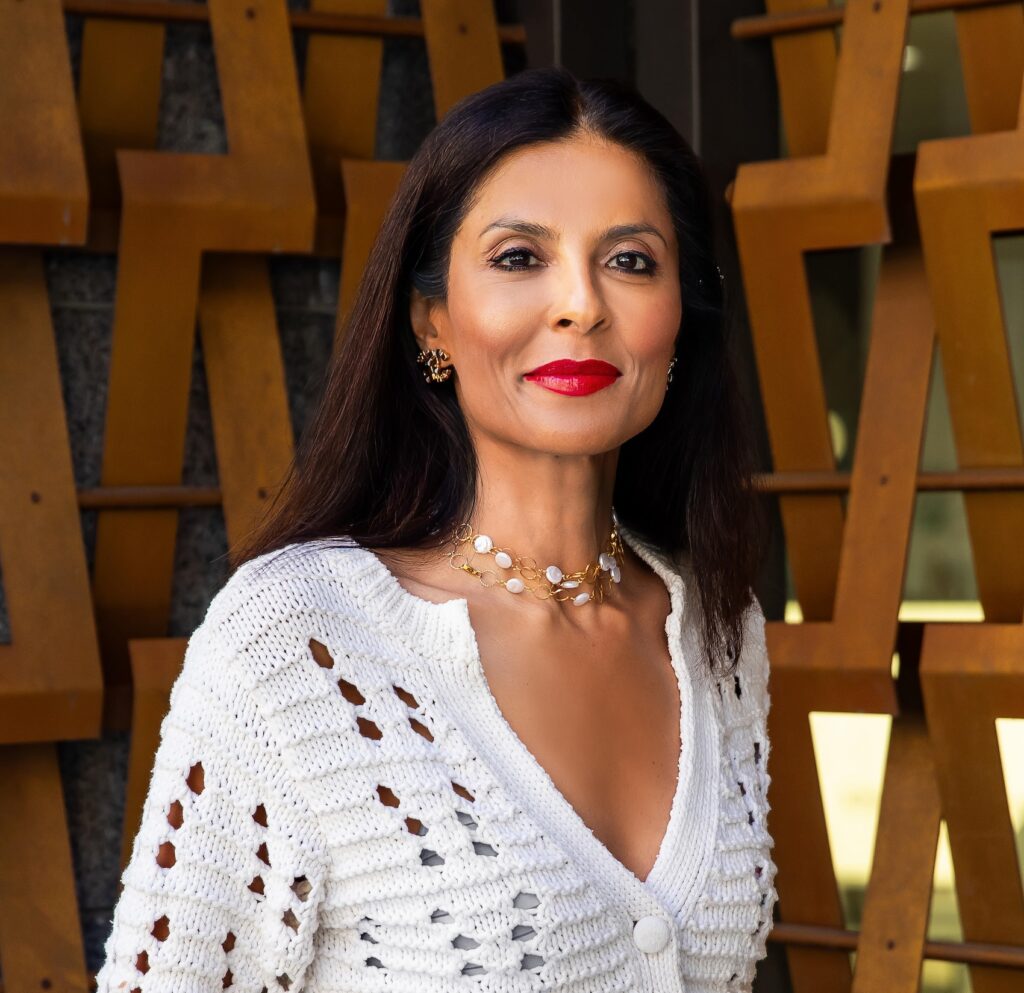

Dr Rozina Ali is an internationally recognised, multi-award-winning consultant plastic, reconstructive and aesthetic surgeon with more than three decades of experience. A pioneer in regenerative aesthetics, she has long championed a philosophy of pro-ageing, helping patients age well by understanding and supporting the biology of their skin rather than simply treating the visible signs of ageing. Combining advanced surgery, regenerative medicine and evidence-based skincare at R&A Clinic in Central London, Dr Ali believes that the most natural and enduring results begin with healthy tissue.
For many years, aesthetic medicine was often associated with rather dramatic changes to the face. Tumescent lips, razor sharp cheekbones and motion-less foreheads dominated conversations, too often, success was measured by how different someone looked rather than how good they looked. I’m a big believer myself in drama and glamour BUT I’d rather make up and lashes or jewels and avante-garde fashion did that talking, not your face or your skin or your body.
To my mind, regenerative aesthetics is ushering in one of the most important shifts in decades. Just as reconstruction took us from normal to supra normal. Regenerative aesthetics takes us from natural for your age to the best you can look at your age!
The wider conversation within aesthetics reflects this change. Galderma’s latest Skin Quality Report found that mentions of the term ‘skin quality’ increased by more than 70% in news coverage, while skin quality discussion across social media almost doubled within just a few months.
At the same time, the latest audit from the British Association of Aesthetic Plastic Surgeons (BAAPS) reported continued growth in minimally invasive surgical facial rejuvenation procedures such as fat transfer and blepharoplasty. Facelifts are also going to a lot of length to look more natural. To paraphrase the wonderful Dolly Parton, it takes a lot of surgical skill to look so natural.
To me, these trends tell a consistent story. Patients are not turning away from surgery or aesthetic medicine; they are becoming more thoughtful about the outcomes they want. They are looking for treatments that help them appear healthier, fresher and give them confidence, as opposed to looking tighter or lifted in order to appear younger. It feels like a sophisticated move from a more discerning and demanding audience. It is a change in mindset that R&A wholeheartedly welcomes because it reflects the philosophy that has always underpinned the practice.
Healthy skin has become the foundation of beautiful results
As the practice of ‘Aesthetics’ has itself grown and matured, it now more closely mirrors real peoples. Real values. They want the best of themselves going forward, not to try to re-live their past splendor. The qualities people associate with attractive skin are skin smoothness, hydration and radiance.
That mirrors the conversations I myself have in clinic, every day.. Patients rarely arrive asking me to change them, instead, they tell me their skin feels thinner than it used to, it sags or wrinkles. They want elasticity, not scars. They are concerned at skin that looks dull despite looking after it carefully, or has lost the healthy youthful glow they once took for granted. They want to look less tired, less angry, less aggressive but they still want to be expressive and look like themselves. Most of my patients do not ask for a transformation,they ask for an uncovering and a revealing of their inner beauty. To me, this represents a far more empowering and positive direction for aesthetics and for patients.
Looking beyond the wrinkle
When we talk about skin quality, we are talking about far more than the absence of wrinkles. Healthy skin has strength, resilience, elasticity, Attractive skin demonstrates good hydration, smooth tone and reflects light evenly because its collagen framework remains healthy and its barrier function is intact. As these biological processes decline, skin gradually becomes thinner, drier and less resilient. Fine lines become more visible, texture changes and the complexion loses its natural luminosity long before the irreversible signs of ageing appear.
Understanding why this happens has transformed the way we approach facial rejuvenation. Rather than focusing solely on treating individual lines or volumising individual pockets, we can now support the skin’s natural regenerative processes, optimise all its layers and help it to function more effectively and youthfully from within.
The biology behind ageing
Every patient’s skin tells a different story. Genetics influences collagen quality, skin thickness and facial structure. Hormonal changes, particularly during perimenopause and menopause, accelerate collagen loss while reducing hydration and elasticity. Years of ultraviolet exposure subversively damage collagen fibres, which then become visible decades later, while smoking, stress and poor sleep all impair the skin’s ability to repair itself. Understanding those influences is far more valuable than simply dealing with a line or wrinkle that has appeared.
Regenerative medicine is changing the conversation
This growing understanding of skin biology has fuelled the rise of regenerative aesthetics. Regenerative treatments aim to stimulate healthier collagen production,thicken the dermal white adipose layer (dWAT), improve dermal hydration, transform ‘zombie’ cells to functioning ones. Cellular regeneration results in strengthening tissue quality over time. Whether that involves polynucleotides, exosomes, biostimulants, anti-oxidants or more advanced energy-based technologies; the goal is the same: to work with time and the body’s own biology rather than against either of them.
Even when surgery is appropriate, healthy skin remains fundamental. A facelift, eyelid surgery or fat transfer will always achieve a better outcome when the skin itself is healthy, resilient and well supported.
A more personalised future
Perhaps the most significant change I have noticed is not in the treatments themselves, but in the conversations I am having with more informed, better prepared patients. My patients increasingly want to understand why their skin has changed and how the treatments can help. I am enjoying the more evolved conversations about slowing down ageing, rebuilding vital layers and better managing expectations. This approach allows us to discuss genetics, hormones, lifestyle, skincare and long-term skin health before talking about treatments or procedures.
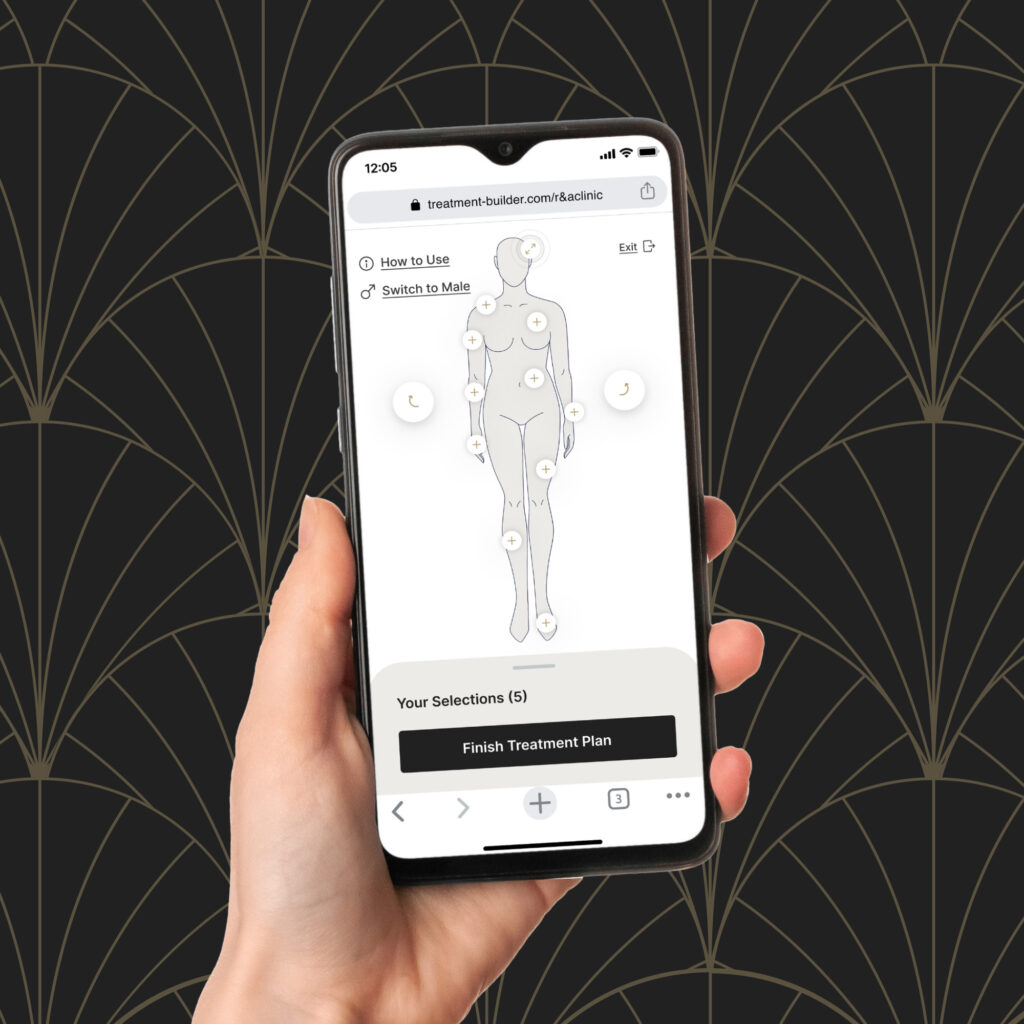
After thirty years in the pioneering and fast-moving specialty of plastic surgery, I have never subscribed to the idea that any single treatment serves a single need or patient profile. There is no single lifestyle, way to age, or patient. So it makes sense there should never be a single approach to skin rejuvenation. By understanding the biology of skin and the nature of ageing, creating a personalised, layered treatment plan, we aim to achieve results that are natural, balanced and long-lasting.